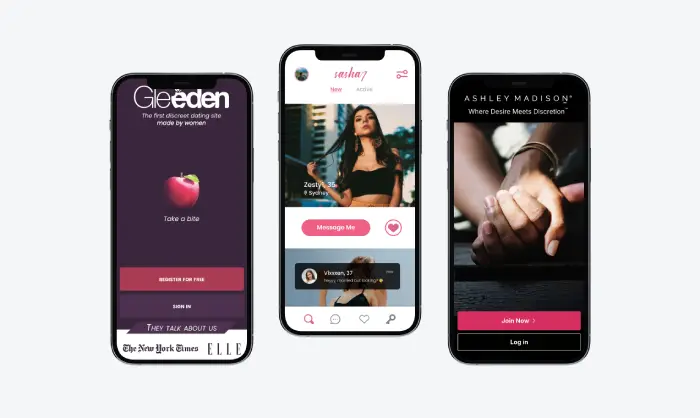

You have decided to explore something new. Perhaps it is the thrill of a new connection on Sasha7 or the need to fill an emotional void. Regardless of the motive, one constant obstacle remains: the fear of getting caught. In today’s hyper-connected world, discretion is no longer just about “hiding your phone”—it is a matter of Operations Security (OPSEC).
Most people fail because they treat secrecy as an act of hiding secrets. This guide will shift your mindset. We will treat your private life like a covert operation, where security is structural and traces are non-existent.
Table of Contents
The Stealth Essentials: A Quick-Start Guide
Before diving into the technical setup, internalize these four pillars of personal security. If you fail at these, no app in the world can save you.
I. Foundational Behavior
- Maintain Your Baseline: Consistency is your best camouflage. Sudden changes in gym routines, clothing, or grooming are red flags.
- Phase-In Changes: If you need to change your habits to make time for encounters, start those changes months before you actually begin.
- Control Your Psyche: Avoid “Projecting.” Many people get caught because they suddenly start accusing their spouse of cheating out of guilt. This is a massive red flag.
- Vet Your Partner: Your security is only as strong as the person you are with. Choose someone who has as much to lose as you do.
II. Digital Discipline
- Zero Documentation: Never record or photograph what you aren’t prepared to see on a witness stand. If you must store files, use an encrypted cloud service (not your phone’s gallery).
- App Obfuscation: Use tools like Samsung Secure Folder or iOS 18 Hidden Folders. Rename apps and change icons to appear as “Calculators” or “System Files.”
- Disable Tracking: Turn off “Frequent Locations,” Google Maps timeline, and shared browser history across all devices.
- Passcode Hygiene: Use a unique PIN for your “private” apps that is entirely different from your phone’s main unlock code. Never save these in a browser.
III. Financial Stealth
- The Cash Rule: Withdraw small amounts of cash over time to avoid a sudden “disappearing” chunk of money on your bank statement.
- Prepaid/Virtual Cards: Use virtual burner cards for online subscriptions or Sasha7 premium features to keep the portal name off your primary statement.
- Business Expenses: Never, under any circumstances, expense a private encounter to a company account. It creates a permanent, auditable paper trail.
Introduction: The Definition of OPSEC
OPSEC, or Operations Security, is a military term referring to the identification of actions that can be observed by adversaries. In an affair, your “adversary” is any trail—digital or physical—that could lead to your discovery.
The difference between a “secret” and “security” is fundamental. A secret is something you hide; security is a system that prevents the secret from being discovered, even if someone is looking for it. To have a successful and long-lasting affair, you must stop acting like someone with something to hide and start acting like someone protecting their digital and physical infrastructure.
The “Cross-Pollination” Trap: Why Syncing is Your Enemy
The most common and fatal mistake is the cross-pollination of data. This happens when your “private” life accidentally leaks into your “public” family life through automated systems.
The iPad Story: The Silent Snitch
Many affairs end not because of a private investigator, but because of default settings from Apple or Google. Imagine this: you are at dinner, and your child is using the family iPad to watch videos. Suddenly, a message notification or a photo you just took on your iPhone “pops up” on the iPad screen via iCloud.
Modern digital ecosystems are designed to be omnipresent. If you take a photo, it goes to the cloud. If you search for something on Safari, the history appears on the shared MacBook.
The Fix: You must “air-gap” your digital life. Disable Handoff on iOS and turn off Google account syncing on shared devices. Ideally, your Sasha7 activities should never touch a cloud account shared with a spouse or children.
iPhone Hardening: The iOS 18+ Security Guide
With recent updates, Apple has introduced powerful tools that, if configured correctly, make the iPhone an almost impenetrable vault.
The Hidden Folder: Using FaceID to Vanish Apps
In iOS 18, you can do more than just hide an app; you can “Lock and Hide” it. When you do this, the app (such as Sasha7) disappears from your home screen and app library. It can only be accessed in a “Hidden” folder at the very bottom of the App Library, which requires FaceID, TouchID, or your passcode to even view. Most importantly, notifications from these hidden apps never appear on the lock screen.
Killing the “Siri Snitch”
Even if the app is hidden, Siri can betray you. If you use an app frequently, Siri might suggest it in the search screen or under “Siri Suggestions.” How to fix it: Go to Settings > Siri & Search > find the specific app and disable all options for “Learn from this App” and “Suggest App.”
Android Fortification: Private Spaces & Samsung Secure Folder
Android offers arguably the best native OPSEC tools for those living a double digital life.
Android 15+ Private Space
“Private Space” is a sandbox—a phone within your phone. It creates a separate user profile that can be locked with a biometric or PIN different from your main lock screen. You can install Sasha7 and other communication apps inside this space, and they remain completely invisible to the rest of the operating system.
Samsung Secure Folder
If you use a Samsung device, the Secure Folder (protected by the Knox security system) is the gold standard. It allows you to clone apps, rename them, and even change their icons. You can rename the Sasha7 app to “Calculator” or “Finance” and give it a generic icon, requiring a separate password to enter.
Mastering App Invisibility: Hiding Sasha7 on Any Device
As a premium affair portal, Sasha7 is designed to be discrete, but you must do your part. Avoid using social media logins (Facebook/Google) to enter the portal; always use a dedicated, anonymous email.
The “Web App” Alternative
Often, the best security is having no app at all. Use Sasha7 through your browser in Incognito or Private tabs.
- Pro Tip: Use a secondary browser (like Brave or Firefox Focus) exclusively for Sasha7. These browsers can be set to delete all data, cookies, and history the moment you close the app.
The “Deleted Folder” Trap: Where Evidence Goes to Hide
Many people think clicking “Delete” means the evidence is gone. It isn’t. Modern “Deleting” is simply a command to “Move to Trash.”
The 30-Day Ghost
On both iPhone (Photos > Albums > Recently Deleted) and Google Photos (Trash), files remain for 30 days before being permanently erased. A suspicious spouse knows exactly where to look. If you took a photo or downloaded a file you shouldn’t have, you must manually go to the “Recently Deleted” folder and perform a permanent deletion immediately.
Financial Stealth: The Paper Trail
Banks and digital wallets are the biggest “snitches.” Credit card statements showing hotel names, restaurants, or site subscriptions are irrefutable evidence.
Most people assume they’ll recognize a risky charge immediately. That’s backwards. What actually gets people caught isn’t a clear brand name — it’s a weird, unfamiliar line item that invites investigation.
Credit card charges often show:
- a parent company or payment processor
- an abbreviated merchant name
- a foreign country code
- or a generic descriptor that looks more suspicious than a known brand
For example, a subscription may not display the site name at all. Instead, it might appear as a fintech processor, an offshore entity, or a string of characters followed by a country code. To someone scanning a statement, that looks like fraud — and fraud triggers phone calls, account reviews, and deeper scrutiny.
Another risk vector is timing. Charges that post at odd hours, renew unexpectedly, or hit right before a billing cycle closes stand out. Declined transactions are even worse: many banks send real-time alerts or fraud warnings that surface on shared devices or email accounts.
This is why “I’ll just explain it if asked” fails. The question doesn’t come from curiosity — it comes from pattern recognition.
If a transaction can’t survive casual scrutiny on a monthly statement, it shouldn’t touch your primary card at all.
The Solution: Cash is King. For dinners and encounters, always use cash. For digital features or premium Sasha7 access, use prepaid virtual cards or Gift Cards. These do not leave a direct line on your primary bank statement that can be traced back to your activities.
App Store & Google Play Purchase History Exposure
Hiding an app is not the same as erasing its existence.
Both Apple and Google maintain long-lived records of:
- app downloads
- subscriptions
- free trials
- canceled payments
These records persist even after an app is deleted, hidden, or locked away. On shared accounts, family plans, or devices logged into a common Apple ID or Google account, this history is visible to anyone who knows where to look.
This is a common failure point because it feels administrative, not personal. People focus on messages and photos and forget that billing ecosystems are designed for auditing, not privacy.
Even worse, subscription emails and receipts often go to the default account email, not the one you intended — surfacing in inboxes that sync across laptops, tablets, and backup phones.
This is why the “web-only” approach exists. Browser access, when combined with aggressive history clearing and isolated accounts, leaves far fewer durable artifacts than app-based ecosystems built to remember everything forever.
If an app requires trust in a shared account, it’s not invisible — it’s just quiet until someone checks.
The Human Element: Physical Indicators
Technology rarely fails if configured correctly; humans fail almost always. The secret to long-term success is maintaining your “Baseline.”
If you have never cared much about your fitness and suddenly start going to the gym daily and wearing expensive cologne, you have triggered an alert. Sudden behavioral shifts are loose threads that a partner will eventually pull.
The Phone Guard: The biggest sign of guilt is changing how you physically handle your phone. If you used to leave it on the table and now it is always face-down or in your pocket, you’ve confirmed you have something to hide. Maintain your usual habits, but use the invisible security tools mentioned above to stay protected.
The Exit Strategy & Digital Cleanliness
Every operation needs a shutdown plan. If you decide to end an encounter or if you feel suspicion is rising, do not panic.
The Nuclear Option: If you suspect your OPSEC has been breached, perform a deep clean. Clear the cache of all browsers, remove secondary email accounts from the device, and use “Metadata Scrubbing” tools on any files you have sent or received. The goal is to leave no “thermal signature” that can be linked back to you.
Remember: at Sasha7, your security is our priority, but the daily execution of OPSEC is in your hands. Be smart, be vigilant, and above all, stay secure.
Digital discretion is only half the battle; ensuring your physical and financial security is just as vital. Check out our guide on scams and personal safety to stay protected during real-world meetups.
🛡️ The Sasha7 OPSEC Checklist: Daily Maintenance
Before you lock your phone or head home, run through this 10-point audit to ensure your “air-gap” remains intact.
- [ ] Clear “Recently Deleted”: Manually empty the Trash/Recently Deleted folders in your Photos, Notes, and Voice Memos. Evidence often lingers here for 30 days by default.
- [ ] Browser Scrub: Ensure all Incognito tabs are closed. If using a secondary browser like Brave or Firefox Focus, clear the cache and history immediately after your session.
- [ ] The “Car & Speaker” Check: Disconnect from car infotainment systems or shared home speakers. These often display “Now Playing” metadata or message notifications on dashboard screens.
- [ ] Location Ghosting: Verify that “Significant Locations” is OFF in your system settings and that your Google Maps Timeline is paused.
- [ ] Maintain Physical Baseline: Keep your phone sitting face-up (if that is your normal habit). Avoid “guarding” the device or clutching it defensively; sudden changes in handling are a massive red flag.
- [ ] Kill Siri/Google Suggestions: Go to your search settings and verify that “App Suggestions” for Sasha7 or any private messaging apps are disabled.
- [ ] Financial Stealth Audit: Clear your wallet and pockets of any physical receipts. Confirm all Sasha7-related transactions were performed via cash or virtual burner cards.
- [ ] Auto-Fill Security: Double-check that your browser hasn’t “helpfully” saved your Sasha7 login credentials or secondary email password in its main password manager.
- [ ] The “iPad Test”: Confirm that no shared family devices (iPads, MacBooks, or synced Android tablets) are receiving your current notifications or photo uploads via the cloud.
- [ ] Partner Vetting: Briefly confirm your partner is adhering to these same OPSEC standards today. Remember: your security is only as strong as their weakest habit.
Final Rule: If you feel “gut-level” anxiety about a specific digital trace, delete it. It is better to lose a conversation than to lose your privacy.